Galleria Grande
The most famous hall of the Reggia: 73 metres long, around 15 metres high, designed by Filippo Juvarra from 1716. White stucco work, oval windows in the vault and a floor of white and green marble fill it with light.

UNESCO World Heritage
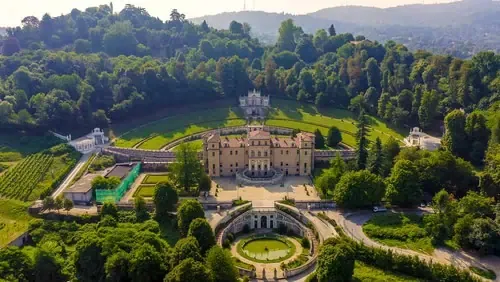
The Reggia di Venaria was the hunting palace of the Dukes of Savoy. Today you can explore magnificent halls, around 80 hectares of gardens and the Castello della Mandria – about 10 km from central Turin.

In 1658 Duke Charles Emmanuel II of Savoy commissioned the architect Amedeo di Castellamonte to build a new residence for hunting. It completed the ring of ducal residences around Turin.
From 1699 Michelangelo Garove remodelled the palace. Later, Filippo Juvarra created its best-known parts: the Galleria Grande, the Church of Sant’Uberto and the Juvarra stables.
After Napoleon's arrival, the royal family fled in 1798. The palace became a barracks, and the gardens disappeared under fields, pastures and a parade ground. The complex fell into decay for almost two centuries.
In 1999 a major restoration began, backed by the Italian Ministry of Culture and the Piedmont Region. In 2007 the palace and gardens reopened to visitors. Since 1997 the Reggia has been part of the UNESCO World Heritage Site "Residences of the Royal House of Savoy".

Don't miss these rooms on your visit.
The most famous hall of the Reggia: 73 metres long, around 15 metres high, designed by Filippo Juvarra from 1716. White stucco work, oval windows in the vault and a floor of white and green marble fill it with light.
The Hall of Diana was the court's great reception hall. Its frescoes and stucco are all about hunting, and the hall is dedicated to the goddess Diana.
Juvarra built the palace church for Saint Hubert, the patron saint of hunters – fitting for a hunting palace.
The Reggia regularly hosts temporary exhibitions. You'll find the current programme on lavenaria.it.
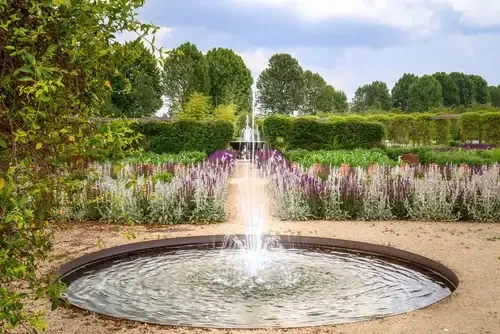
Around the Reggia you can visit some 80 hectares of gardens. They were relaid during the restoration with around 200,000 new plants.
Allow at least half a day for the palace and gardens. Add the Mandria and an exhibition and it quickly becomes a full day.
The regular ticket is valid for the Reggia, the gardens and the Castello della Mandria. You can buy it at the ticket office on site or online at lavenaria.it.
| Ticket | Official price |
|---|---|
| Adults | €22.00 |
| Young people aged 6 to 20, students under 26 | €10.00 |
| Family: 2 adults + 1 to 4 children aged 6 to 16 | €52.00 |
| Groups (12 to 25 people) | €18.00 per person |
| Children under 6 | free |
Official prices according to lavenaria.it, as of October 2026. Entry is free with the Torino + Piemonte Card and the Royal Pass.
La Venaria Reale is open Tuesday to Sunday. It is closed on Mondays, except on public holidays. Hours change with the season – here are the hours from 1 October 2026:
| Area | Tuesday to Friday | Saturday, Sunday, public holidays |
|---|---|---|
| Reggia and exhibitions | 9:30–17:00 | 9:30–18:30 |
| Gardens | 9:30–17:00 | 9:30–18:30 |
| Castello della Mandria | 10:00–17:00 | 10:00–18:30 |
From 25 October the Castello della Mandria is open Tuesday to Sunday from 10:00 to 16:00. Ticket offices close earlier. Current hours and special openings: lavenaria.it.
The Reggia is about 10 kilometres from central Turin. The entrance is at Piazza della Repubblica 4 in Venaria Reale.
You'll find timetables and tickets for buses and trains on our page about public transport in Turin.
With the day ticket you explore the palace and gardens on your own. On a guided tour you learn more about the history of the Savoys and the rooms of the palace; entry is included in each tour.
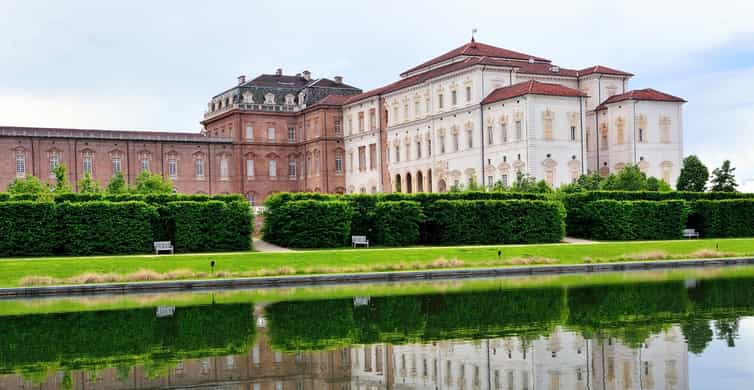
Entry to the Reggia and the gardens without a guide – for anyone who wants to set their own pace.
from €30.00
Details & booking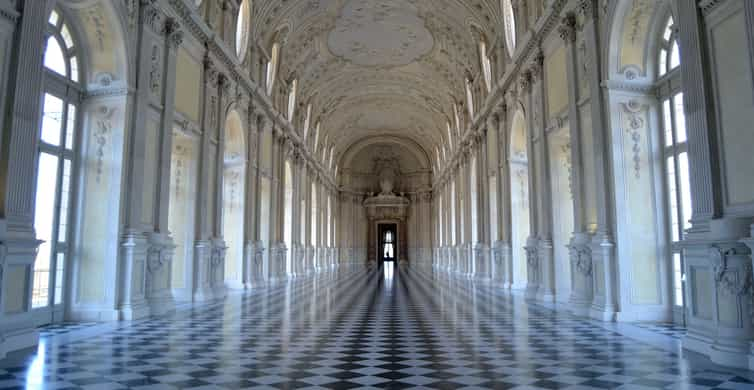
Small-group tour with a licensed guide, entry included. Offered in several languages, including German. The meeting point is on site in Venaria.
from €145.00
Details & booking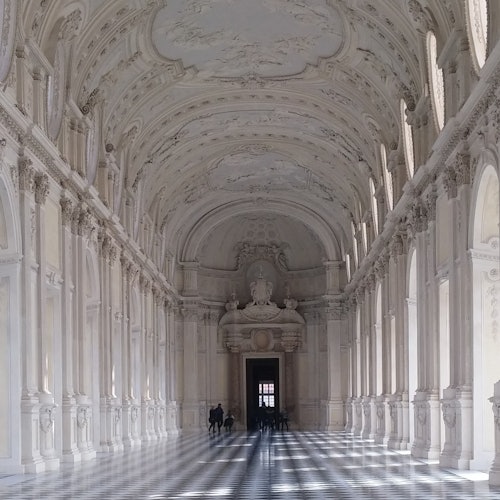
Entry and a small-group tour, taking in the Hall of Diana, the Galleria Grande and the stables, among others. The tour is in Italian. The meeting point is the entrance on Piazza della Repubblica.
from €79.90
Details & bookingAccording to the providers, all three offers can be cancelled free of charge up to 24 hours in advance.
With the Torino + Piemonte Card, entry to La Venaria Reale is free, as it is to the Musei Reali, the Egyptian Museum and many other museums in Turin. On the Venaria Express at weekends, the card gets you the reduced day fare.

If you want to see other palaces besides Venaria, such as Stupinigi, Racconigi or Villa della Regina, the Royal Pass is worth it. It is valid for 96 hours at 16 residences in Turin and Piedmont.
At least half a day for the palace and gardens. With the Castello della Mandria and an exhibition, you can easily spend a whole day. The guided tours last around three hours.
Tuesday to Sunday; it is closed on Mondays (except public holidays). From 1 October the Reggia and gardens are open Tuesday to Friday from 9:30 to 17:00, and until 18:30 at weekends and on public holidays. Current hours are on lavenaria.it.
The regular ticket for the Reggia, gardens and Castello della Mandria costs €22.00. Young people aged 6 to 20 and students under 26 pay €10.00, and children under 6 go free. The family ticket costs €52.00.
Yes, there are ticket offices on site. Alternatively, you can buy your ticket online on the official website.
Yes. La Venaria Reale is included in the Torino + Piemonte Card and in the Royal Pass. With the Royal Pass you need to book the Castello della Mandria in advance.
The easiest way is the Venaria Express from Piazza Castello or Porta Susa, which goes straight to the Reggia. Alternatively, take suburban rail line SFM4, SFM6 or SFM7 to "Reggia di Venaria" station and walk about 500 metres.
Yes, the guided tour on this page is offered in several languages, including German. Entry is included.
Since 1997. The Reggia di Venaria is part of the World Heritage Site "Residences of the Royal House of Savoy", together with other residences in Turin and Piedmont.
Weekdays are usually quieter than weekends. For the gardens, spring and summer are best, when everything is in bloom.