Carpano
The inventor's house, built on the 1786 recipe. Its story is told in the free Museo Carpano at Eataly Lingotto. Today it is produced in Milan.

Turin's aperitif since 1786
In 1786 Antonio Benedetto Carpano mixed wine with herbs and spices in Turin – and vermouth was born. Here you'll find out what "Vermouth di Torino" means, which houses you can visit and where to taste vermouth in the city.
from€35.00per person
See the vermouth tasting
Wine with bitter herbs had long been known in Turin. As early as 1736, the Turin pharmacopoeia "Pharmacopoea Taurinensis" described a "Vinum Absinthites" made with wormwood flowers and calamus root. Back then, wines like this were drunk as medicine.
In 1786 it became something to enjoy. Antonio Benedetto Carpano, a trained herbalist, created the recipe that marks the start of the vermouth category in his wine shop opposite the Royal Palace on Piazza Castello: Moscato wine flavoured with herbs and spices. He borrowed the name from German – "Wermut" is the word for wormwood, the Artemisia plant that gives the drink its bitter note. According to Turismo Torino, vermouth became the favourite drink at the court of the House of Savoy.
The wine shop grew into a company. In 1820 Carpano's nephew Giuseppe Bernardino founded the "Fabbrica di Liquori e Vermut Giuseppe Carpano", and in 1898 the brothers Luigi and Ottavio Carpano built a factory. Since 2001 Carpano has belonged to Branca, and today it is produced in the Fratelli Branca distilleries in Milan.
Turin vermouth quickly became an export. According to the Vermouth di Torino consortium, the first advertisement for vermouth from Turin appeared in 1833. From the mid-19th century it was shipped to France, Spain, Latin America and the USA and became a staple of cocktail culture. White vermouth arrived around 1900, and from the 1920s red vermouth took the lead.
The city's cafés played their part too: at Caffè Elena on Piazza Vittorio Veneto, Giuseppe Carpano refined his recipe between 1889 and 1902. Find out more about the historic cafés on our page about chocolate, Bicerin and historic cafés.

"Vermouth di Torino" (also "Vermut di Torino") is a protected geographical indication. The Italian Ministry of Agriculture approved the production rules by decree on 22 March 2017, and the European Commission confirmed them in 2019. Among other things, the rules set the minimum alcohol content, the sugar content, the minimum share of wine and the permitted ingredients.
Wormwood is mandatory. The consortium names three Piedmontese species: Artemisia absinthium, Artemisia pontica and Artemisia vallesiaca. Depending on the house, other botanicals are added, such as cinnamon, nutmeg, clove, bitter orange, juniper, elderflower, ginger, star anise or chamomile. The herbs steep in a water-alcohol solution before being combined with wine and sugar. The base wine can be white, rosé or red.
Tip when buying: look for the words "Vermouth di Torino" on the label. Not every vermouth from a Turin house carries them – only products made according to the rules. Common styles are Extra Dry, Dry, white (Bianco), amber (Ambrato) and red (Rosso).
Many of the world's best-known vermouth brands have their roots in Turin and Piedmont. These four are worth knowing.
The inventor's house, built on the 1786 recipe. Its story is told in the free Museo Carpano at Eataly Lingotto. Today it is produced in Milan.
In 1863 Alessandro Martini and Teofilo Sola took over a Turin distillery and brought in Luigi Rossi as a partner. In 1864 production moved to Pessione, where you can visit Casa Martini (see below).
The brothers Carlo Stefano and Giovanni Giacomo Cinzano appear in 1757 in the registers of Turin's guild of confectioners and distillers – this is considered the year the company was founded. The family came from Pecetto and was based on Via Dora Grossa in Turin.
Giulio Cocchi, a pastry chef from Florence, founded his aromatised wine company in Asti in 1891. It is known for its "Storico Vermouth di Torino" and its Barolo Chinato. Since 1978 the Bava family has run the house from Cocconato.
Casa Martini is the home of Martini & Rossi. In 1864 the young company chose an old villa right opposite the station on the Turin–Genoa line – and production continues there to this day. Pessione is part of Chieri and lies less than 30 kilometres from Turin.
Casa Martini is open to visitors on Saturdays and Sundays from 11:00 to 19:00. On weekdays it only welcomes private groups on request. Online booking is mandatory. According to Casa Martini, you can cancel up to 24 hours in advance for a full refund.
All experiences last around two hours. The official prices are from martini.com, as of October 2026. You'll find current dates at martini.com/casa-martini; two of the experiences can also be booked via the tours further down.
Tickets and connections in the Turin area are explained on our page about public transport in Turin.

In the city, the easiest way to try vermouth is a guided small-group tasting. For Casa Martini you travel to Pessione on your own – transport is not included in the Martini experiences.
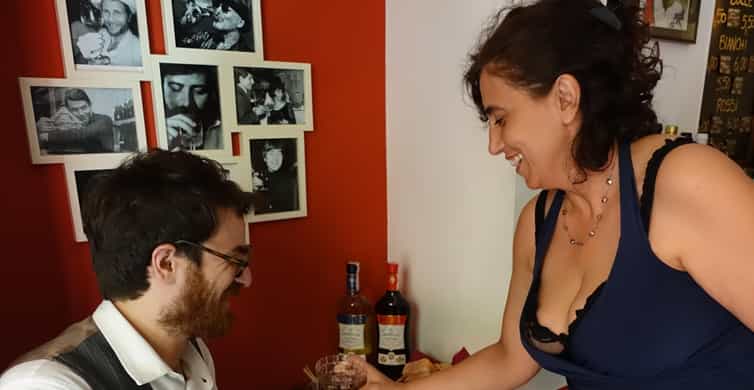
White and red vermouth plus a vermouth-based spritz, with dried fruit, olives and cheese. Around one hour, maximum 8 people, in a wine bar about ten minutes' walk from the Royal Palace. Languages: English, Italian.
from €35.00
Details & booking
Two cocktails of your choice made with Turin vermouth, a board of cured meats, cheese and snacks, plus history and background on the drinks. Around 1.5 hours in a wine bar near the Egyptian Museum. Languages: English, Italian.
from €34.00
Details & booking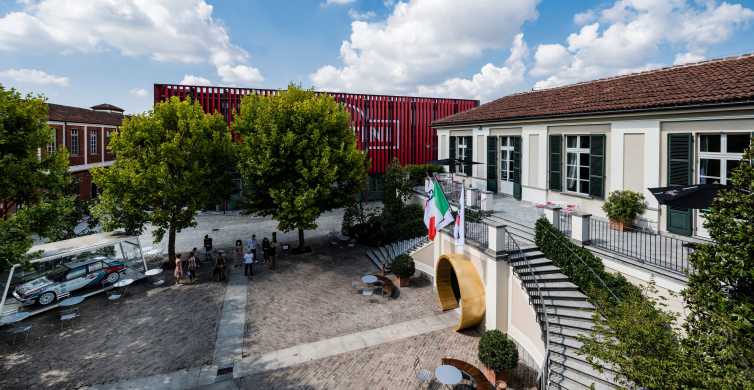
A visit to the production area, the vermouth herb section, the "Mondo Martini" gallery and a guided tasting with a brand ambassador. Around two hours in Pessione. Languages: Italian (Prestige option), Italian and English (Discovery option).
from €20.00
Details & booking
A sensory trail through the vermouth herbs, the gallery, a visit to the production area and a mixology class at the Bar Academy where you mix your own Martini cocktail. Around two hours in Pessione, over-18s only. Languages: Italian, English.
from €45.00
Details & booking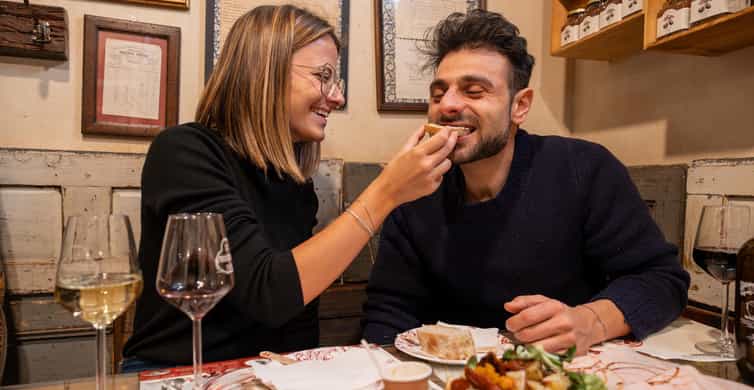
An evening walk with at least four stops, including Nebbiolo, cured meats, beer, stuffed potatoes and a cocktail or vermouth. Maximum 12 people, starting on Piazza San Carlo.
from €93.00
Details & bookingAccording to the providers, all five offers can be cancelled free of charge up to 24 hours in advance.
| You want to … | Our recommendation |
|---|---|
| get to know vermouth neat, without much time | Vermouth tasting in the centre (approx. 1 hour) |
| try vermouth in modern cocktails | Vermouth cocktails near the Egyptian Museum |
| see where vermouth is made on a large scale | Casa Martini with tasting (weekends, Pessione) |
| mix your own | Cocktail class at Casa Martini (18+) |
| enjoy vermouth as part of an evening with food | Aperitivo & Street Food Tour |
| learn the history without a tasting, for free | Museo Carpano at Eataly Lingotto |
The story of the Carpano house is told in a small museum inside the Eataly food market in the Lingotto district, Via Nizza 230. According to Turismo Torino, admission is free.
On display are objects from the 19th century to the present day, including Armando Testa's famous post-war advertising campaigns. At six scent stations you can smell the key herbs found in every vermouth recipe. Eataly arranges guided tours in Italian and English as well as tastings on request.
Opening hours follow those of Eataly. Check them on the Eataly Torino website before you go.
In Turin, vermouth is above all an aperitif – a drink before dinner. Turismo Torino recommends serving it cold, with or without ice, with a twist of unwaxed lemon or orange.
Vermouth comes with small bites such as grissini, olives, cheese or cured meats. How the Turin aperitivo works and where to enjoy it is explained on our page about the aperitivo in Turin. More walking tours with wine, chocolate and street food can be found under food tours in Turin.

Vermouth is the Turin aperitif par excellence. On our aperitivo page you'll learn how the pre-dinner ritual works and which tours take you along.
Yes. In 1786 Antonio Benedetto Carpano created the recipe that marks the start of the vermouth category in his wine shop on Piazza Castello, opposite the Royal Palace. Herbal wines existed before, for example as a remedy in the 1736 Turin pharmacopoeia, but it was Carpano who turned them into a drink for pleasure.
It is a protected geographical indication. The production rules were approved by decree on 22 March 2017. Among other things, they regulate alcohol and sugar content, the minimum share of wine and the permitted ingredients. Wormwood (Artemisia) is mandatory.
From German: "Wermut" is the name of wormwood, the Artemisia plant that gives the drink its bitter note. Carpano adopted the term, and in Italian it became "vermut" or "vermouth".
Yes. Casa Martini in Pessione is open on Saturdays and Sundays from 11:00 to 19:00, and on weekdays only to private groups on request. You must book online. Options include the Discovery Tour, the Privilege Tour and a cocktail class, each lasting around two hours.
The easiest way is by train from Torino Porta Susa or Torino Lingotto to Pessione station, around 20 minutes. The station is right in front of the entrance. By car, take the SS10 or the E70.
Yes, but not at every time slot. The Discovery Tour runs in English at one afternoon slot, while the Privilege Tour is in Italian only. The cocktail class is offered in Italian and English.
On a guided tasting in the centre, such as the one-hour vermouth tasting in a wine bar near the Royal Palace or vermouth cocktails near the Egyptian Museum. Many bars also serve vermouth at aperitivo time.
Cold, with or without ice and with a twist of lemon or orange, as recommended by Turismo Torino. Grissini, olives and cheese go well with it. In cocktails such as the Negroni, Americano or Manhattan, vermouth is a main ingredient.
Yes, the Museo Carpano at Eataly Lingotto, Via Nizza 230. It tells the story of the Carpano house with advertising posters and scent stations featuring the vermouth herbs. According to Turismo Torino, admission is free.
According to the providers, alcohol is only served to over-18s on the two tastings in the centre; younger guests may come along and get soft drinks. The cocktail class at Casa Martini is for over-18s only.