
Public transport in Turin
Metro, trams and buses: fares, contactless payment and the discounted ticket for Torino Card holders.

Driving, ZTL & parking
Turin's centre is monitored by cameras, and in winter older diesels are banned from driving. Here you'll find out when you can drive into the city centre, where to park and when you're better off leaving the car behind.

For the city itself: no. Most sights are close together in the centre, between Piazza Castello, Via Po and the Quadrilatero Romano. The metro, trams and buses run by the transport company GTT take care of the rest. A car in the city centre mainly costs you time looking for a parking space and brings the risk of a fine from a ZTL camera.
A car makes sense for getting here and for trips into the surrounding area, for example to the Langhe and Barolo, to Alba or to Lake Maggiore. Our recommendation: leave the car at the hotel or in a car park and get around the city by public transport or on foot.
This page summarises the rules. The information from the City of Turin and GTT is always what counts – it changes from time to time. You'll find links to the official pages in each section.
ZTL stands for Zona a Traffico Limitato, a limited traffic zone. Turin has several of them, with very different hours. The entry points are monitored by cameras (varchi); there are no barriers. If you drive through without a permit, you'll receive the fine by post later – with hire cars, via the rental company.
The large ZTL covers the historic centre. It is closed to vehicles without a permit Monday to Friday from 7:30 to 10:30. There is no restriction on Saturdays, Sundays and public holidays.
Its boundary is roughly formed by Corso Vittorio Emanuele II, Piazza Carlo Felice, Corso Re Umberto, Corso Matteotti, Via Vittorio Amedeo II, Corso Palestro, Corso Regina Margherita, Piazza della Repubblica, Corso San Maurizio, the riverside roads along the Po and Corso Cairoli. You can drive on these boundary roads themselves.
According to the City of Turin, cameras monitor 27 entry points, plus further checkpoints inside the zone. Motorbikes and mopeds may enter the ZTL Centrale without a permit. Electric cars, on the other hand, need their own permit – they are not automatically exempt.
Details and the map: ZTL Centrale on the City of Turin website.
The streets and lanes reserved for buses and trams (strade e corsie riservate al trasporto pubblico) are closed daily from 7:00 to 20:00, including weekends and public holidays. This is the trap visitors fall into most often: the ZTL Centrale is open in the afternoon, but the bus lanes within it are not.
So look out for “Corsia riservata” signs and “Bus” markings on the road. Even a permit for hotel guests only covers these lanes on the day of arrival and the day of departure (see below).
The ZTL Area Romana is an area in the old town. It is closed to through traffic and parking every day from 21:00 to 7:30, including public holidays.
If you're driving into the centre in the evening for dinner or an aperitivo, leave the car in a car park first.
Pedestrian zones (ZTL Pedonale) are closed around the clock, every day. They include many streets and squares in the centre.
The Parco del Valentino on the Po is also a ZTL of its own and closed to cars around the clock. You can reach the park on foot, by bike or by bus and tram.
| Zone | Closed | Days |
|---|---|---|
| ZTL Centrale | 7:30–10:30 | Mon–Fri, not on public holidays |
| Bus lanes and bus-only streets | 7:00–20:00 | daily, including public holidays |
| ZTL Area Romana | 21:00–7:30 | daily, including public holidays |
| Pedestrian zones | 0:00–24:00 | daily |
| ZTL Valentino (park) | 0:00–24:00 | daily |
Source: City of Turin, as of October 2026. In summer the city temporarily suspends the ZTL Centrale and parking charges (2026: 10 to 23 August) – but not the bus lanes, pedestrian zones, Area Romana or Valentino.
If your hotel is inside the ZTL Centrale, it can apply for a retrospective exemption for you. According to GTT, which handles ZTL permits, it works like this:
Our advice: register your number plate at reception as soon as you arrive and ask which entry route you should take. Official information: GTT – hotel guests.
Parking spaces marked in blue are paid parking. According to GTT, charges apply Monday to Saturday from 8:00 to 19:30, and in some zones near hospitals only until 18:30. In Italy, white lines usually mean free parking (check any additional signs), while yellow lines are reserved for authorised users, such as deliveries or people with disabilities – you can't park there.
The city is divided into four tariff zones:
The rate that applies is shown on the parking meter. The zones are shown on the GTT map.
Please note: in the ZTL Centrale the morning access restriction also applies to people parking. A paid parking space inside the zone does not replace a permit.

The most convenient solution for a day in the city centre is a car park. GTT runs more than 20 car parks in Turin. The real-time overview shows free spaces. Two central examples:
This rule applies to all public car parks inside the ZTL Centrale. According to the city, the only exceptions are the Roma, San Carlo, Vittorio, Re Umberto and Galileo Ferraris car parks, which are accessed from outside. If you drive in after 10:30 or at the weekend, the restriction doesn't affect you anyway.
All GTT car parks with addresses and rates: car parks on the GTT website.
The cheapest way to park is on the outskirts. At several car parks GTT offers a Park&Ride day ticket for €5.50: it includes parking and travel on the entire urban and suburban network for that day. Otherwise parking there costs €0.50 per hour.
The metro also stops at Porta Susa and Porta Nuova stations. How to get on from there is on our page about the train stations in Turin.

Independently of the ZTL, driving bans apply in Turin to older vehicles. They cover the city area and are tightened in the winter half of the year, when particulate levels rise. Your car's Euro emissions class is shown in its vehicle registration document. For hire cars, ask the rental company.
The following may not be driven in Turin around the clock, on any day:
During the season from 15 September 2026 to 15 April 2027 the following is added permanently:
This is the basic level of the smog traffic light (semaforo antismog, level 0, “green”).
If the environmental agency Arpa Piemonte forecasts high particulate levels for three days in a row, the traffic light switches to level 1 (orange) or level 2 (red). Then the following applies:
The city announces changes on Mondays, Wednesdays and Fridays, and they apply from the following day. If you're driving a diesel to Turin in winter, check the current level shortly before you set off.
The City of Turin's rules only apply there. Other municipalities in Piedmont sometimes have their own rules – if you're planning day trips, it's best to check with the municipality concerned.
You can easily get from the airport and the station to the centre without a hire car, and in the city the metro, trams and buses are faster than driving.
Metro, trams and buses: fares, contactless payment and the discounted ticket for Torino Card holders.
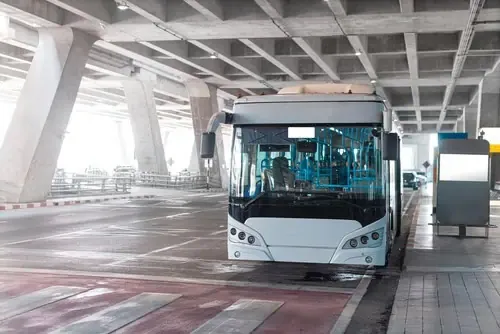
Bus, train and taxi from Turin-Caselle airport into the city compared.
Porta Nuova, Porta Susa and Lingotto: which station for what, and how to get on from there.
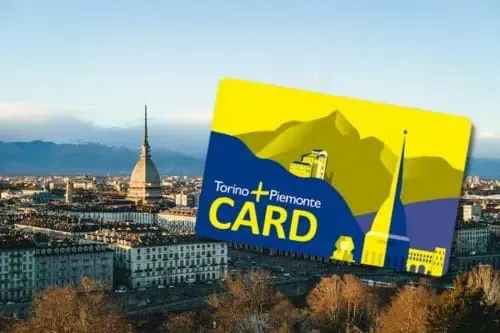
If you leave the car behind and want to visit lots of museums, the Torino + Piemonte Card is a good choice: it includes free admission to the major museums and royal residences. Cardholders can also get a discounted GTT ticket for 48 or 72 hours at the tourist information office.
The large ZTL Centrale is closed Monday to Friday from 7:30 to 10:30, not on Saturdays or public holidays. Bus lanes are closed daily from 7:00 to 20:00, the ZTL Area Romana daily from 21:00 to 7:30, and pedestrian zones and Valentino park around the clock.
Into the ZTL Centrale, yes – it is not closed at weekends. But bus lanes, pedestrian zones, Valentino park and, at night, the Area Romana remain off-limits at weekends too.
The entry points are marked with “Zona a Traffico Limitato” signs and the restricted hours, and the cameras stand right at the entry points. There are no barriers. Don't rely on your satnav alone – read the signs.
For hotels registered with the city, yes: you give your number plate at check-in, and the hotel applies for the exemption retrospectively. It covers the reserved streets and lanes on the day of arrival and the day of departure. Ask before you arrive whether your hotel takes part.
In the blue zones €1.20 to €2.80 per hour depending on the tariff zone, payable Monday to Saturday from 8:00 to 19:30. In the Roma – San Carlo – Castello car park you pay €2.00 per hour during the day. Park & Ride is the cheapest option: €5.50 per day including travel by bus, tram and metro.
The official app is called GTT – SostAPP. With it you pay by the minute in the blue zones. Apps from other providers are also accepted, as are the parking meters with coins or card.
For the centre, the Roma – San Carlo – Castello car park between Piazza Castello and Piazza Carlo Felice is a good choice, as you don't have to register your number plate for the ZTL there. The Fermi Park&Ride car park at the metro terminus is cheaper; from there you take the metro into the city.
Yes – at public car parks inside the ZTL Centrale you must give your number plate to the operator by 11:00 on the day you enter, if you drive in during the restricted hours. The Roma, San Carlo, Vittorio, Re Umberto and Galileo Ferraris car parks are exempt.
That depends on its Euro class. From 15 September 2026 to 15 April 2027, Euro 3 and 4 diesels may not be driven Monday to Friday from 8:00 to 19:00. During a smog alert (orange or red level) this applies every day and also to Euro 5. Diesels up to Euro 2 are banned all year round.
No. Italian motorways charge tolls by distance travelled, paid at the exit in cash, by card or via Telepass. You only need a vignette if you drive through Austria or Switzerland.
Yes. Fully electric cars also need a permit for the ZTL Centrale, which you apply for online from the city. Motorbikes and mopeds, on the other hand, may enter without a permit.
Not for the city itself – you explore the centre on foot and by public transport. For trips to the Langhe, Alba or Lake Maggiore, however, a car is handy.